
Introduction
In the design of hospitality spaces, aesthetics and engineering standards alone do not determine the quality of the experience. What transforms a hotel into a “destination” is its alignment with the culture, needs, behaviors, and real-life experiences of its users.
In the Sumerion Hotel project in Nasiriyah, Iraq, we adopted precisely this approach—where every design choice, from materials and spatial arrangements to accessories and visual identity, was shaped by a deep understanding of the local culture and user behavior.
This article narrates the process of research, observation, and dialogue that led us to design a culturally rooted, behavior-driven, and deeply user-centered hotel.
1. Why Culture-Based Design is Essential?
In many hotel projects, a common mistake is for designers to base decisions solely on personal taste, global trends, or universal standards.
However, our experience has proven that:
- Local culture defines user behavior
- User behavior determines spatial functionality
- Spatial functionality guides form and design
Thus, the design process must always begin with cultural inquiries:
- How do the local people use space?
- What should a guest feel upon arrival?
- What do local customs and traditions expect from a room or suite?
These questions led to critical insights in the Sumerion project.
2. Discovering a Key Behavior: The Role of VIP Rooms in Wedding Ceremonies
Through field research and conversations with locals in Nasiriyah, we uncovered a key insight that reshaped our approach to VIP room design:
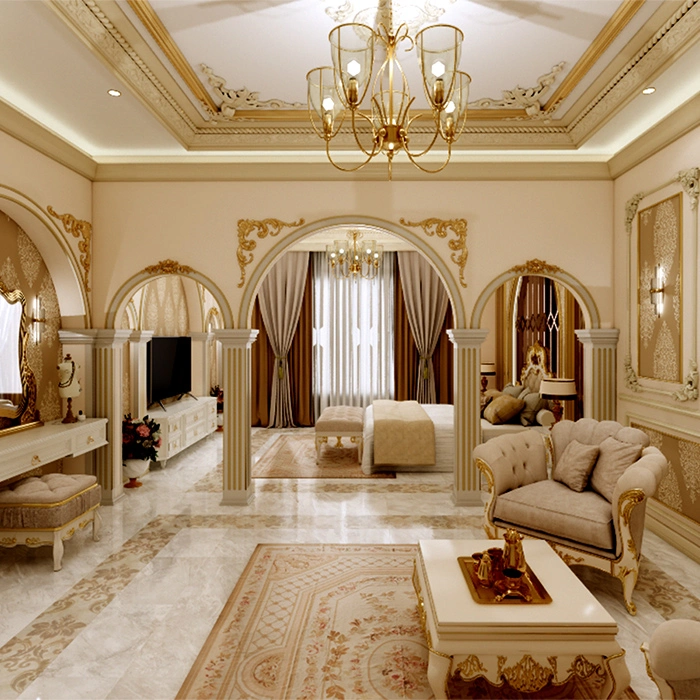
Iraqi couples in this city hold their wedding ceremonies at the hotel and spend their first night together in the VIP rooms. Thus, the VIP room in Nasiriyah is not merely a “more luxurious room”—it is a cultural element, an integral part of the wedding ceremony, and a deeply emotional and symbolic moment.
This discovery led to:
- VIP room designs with more sensory layouts, warmer lighting, and accessories suited to wedding rituals
- Storage spaces and room functionalities aligned with the couples’ needs
- Precise spatial partitioning for enhanced privacy
- Tailored guest experience packages for wedding ceremonies
This aspect of the project exemplifies Behavior-Based Design in practice.
3. Studying Sumerian Civilization to Create the Hotel’s Visual Identity
To better understand the region’s rich culture and history, we turned to written and research sources.
We examined a collection of books and articles on Sumerian civilization at the National Library of Iran. From these sources, we extracted:
- Motifs
- Visual rhythms
- Architectural symbols
- Geometric patterns
- Mythological icons
- Historical color palettes
These elements allowed us to create an authentic and deeply rooted visual identity for the hotel.
This research ensured that the design elements were not merely decorative but represented the historical roots of Nasiriyah.
4. Field Visits: Nasiriyah Museum and Expert Consultations
During multiple site visits to Nasiriyah, we toured the city’s museum and engaged in discussions with:
- Museum experts
- Archaeologists
- Historians
- Local residents
These interactions provided us with a living understanding of the local culture—insights not found in books but only through direct conversations with the people.
This layer of understanding elevates design from “beauty” to “meaning.”
5. Conclusion: Designing Hotels Based on Behavior, Identity, and Experience
Throughout this project, we adhered to a consistent principle:
Successful design is rooted in the people, culture, and real behaviors of its users.
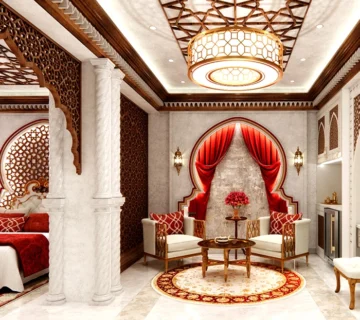
The VIP rooms, suites, lobby, restaurant, and even the smallest accessory details were all outcomes of a cultural-behavioral process—not mere imitations of trends.
This is what made the Sumerion project a unique example of:
- User-Centered Hospitality Design
- Culture-Based Hotel Architecture
- Behavioral Interior Design
- Experience-Driven Space Planning
No comment